REEF Technology · 2019 to 2021
REEF neighborhood hub kitchen build
Turning an underused urban site into a secure, serviced neighborhood hub: surveying kitchen locations, resolving power, water and drainage constraints, designing access and security provisions, and coordinating modular infrastructure into operation.
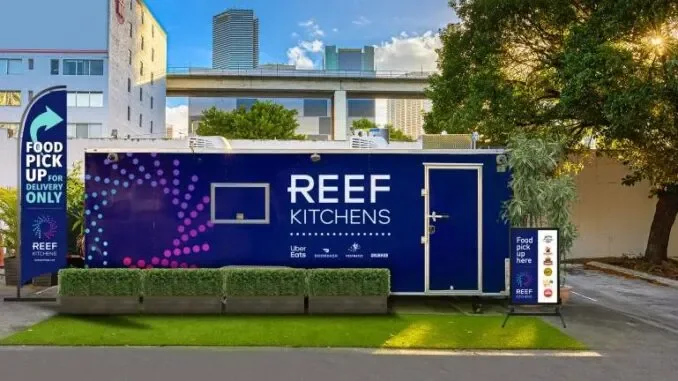
Project gallery
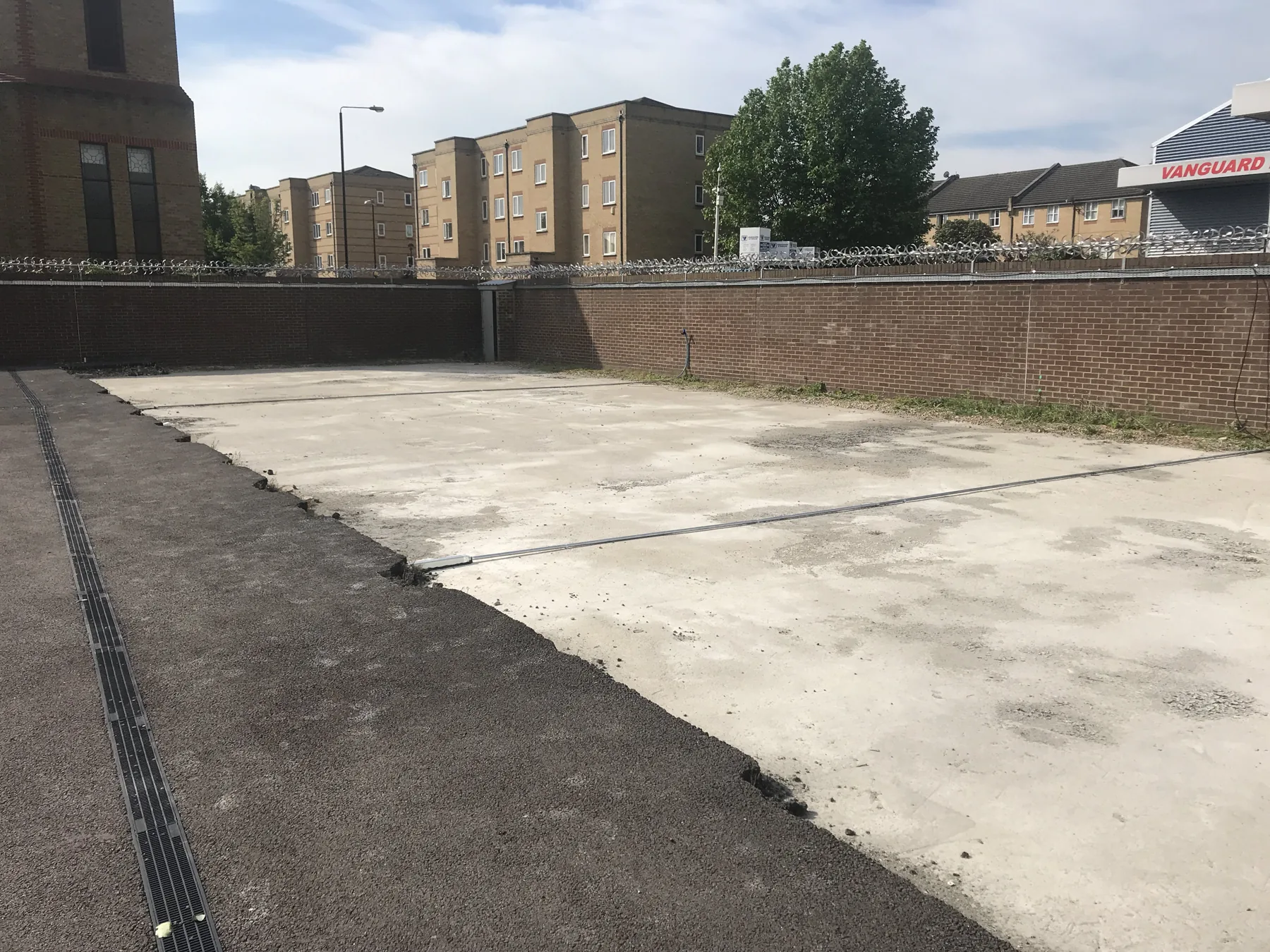
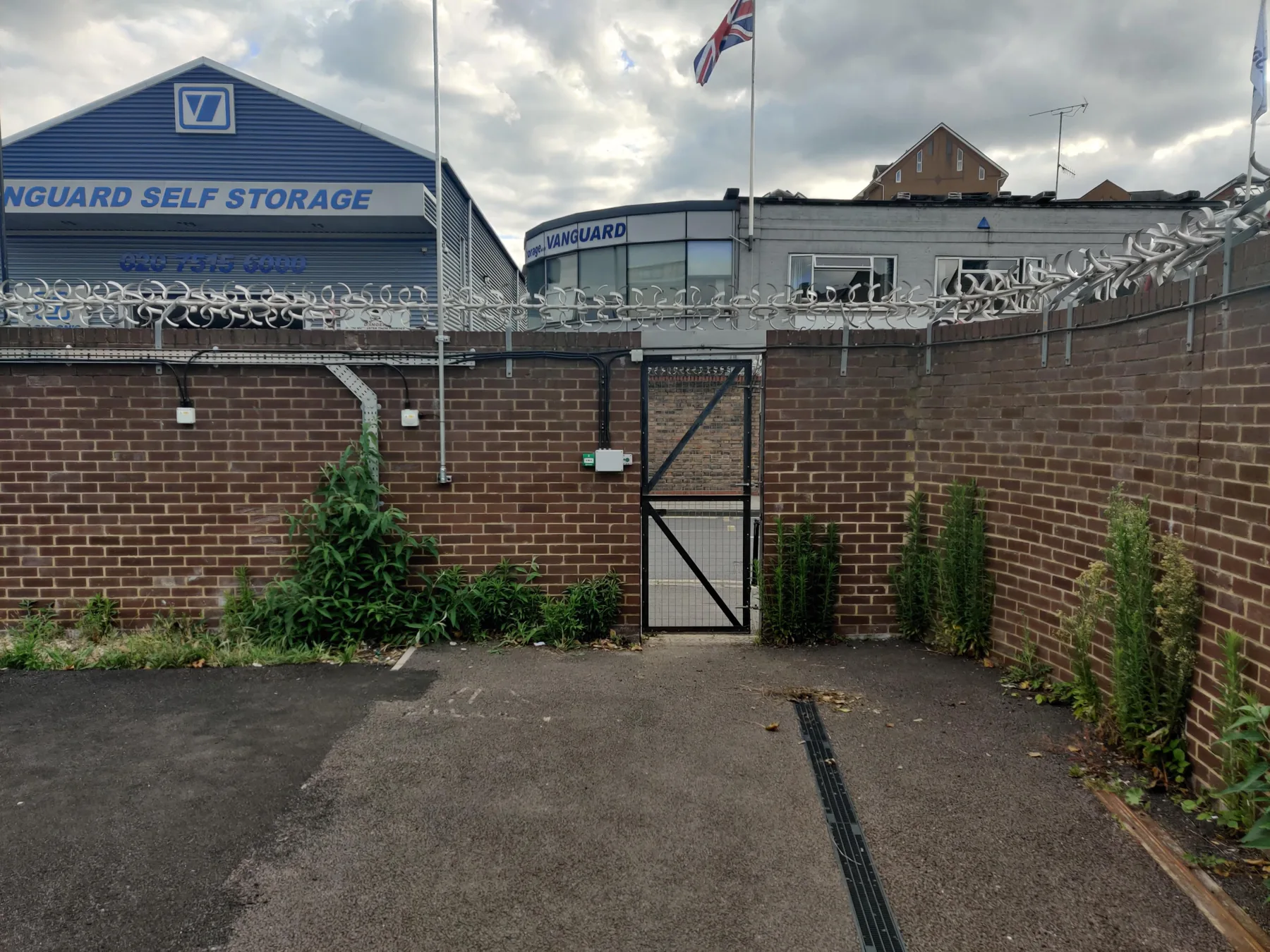
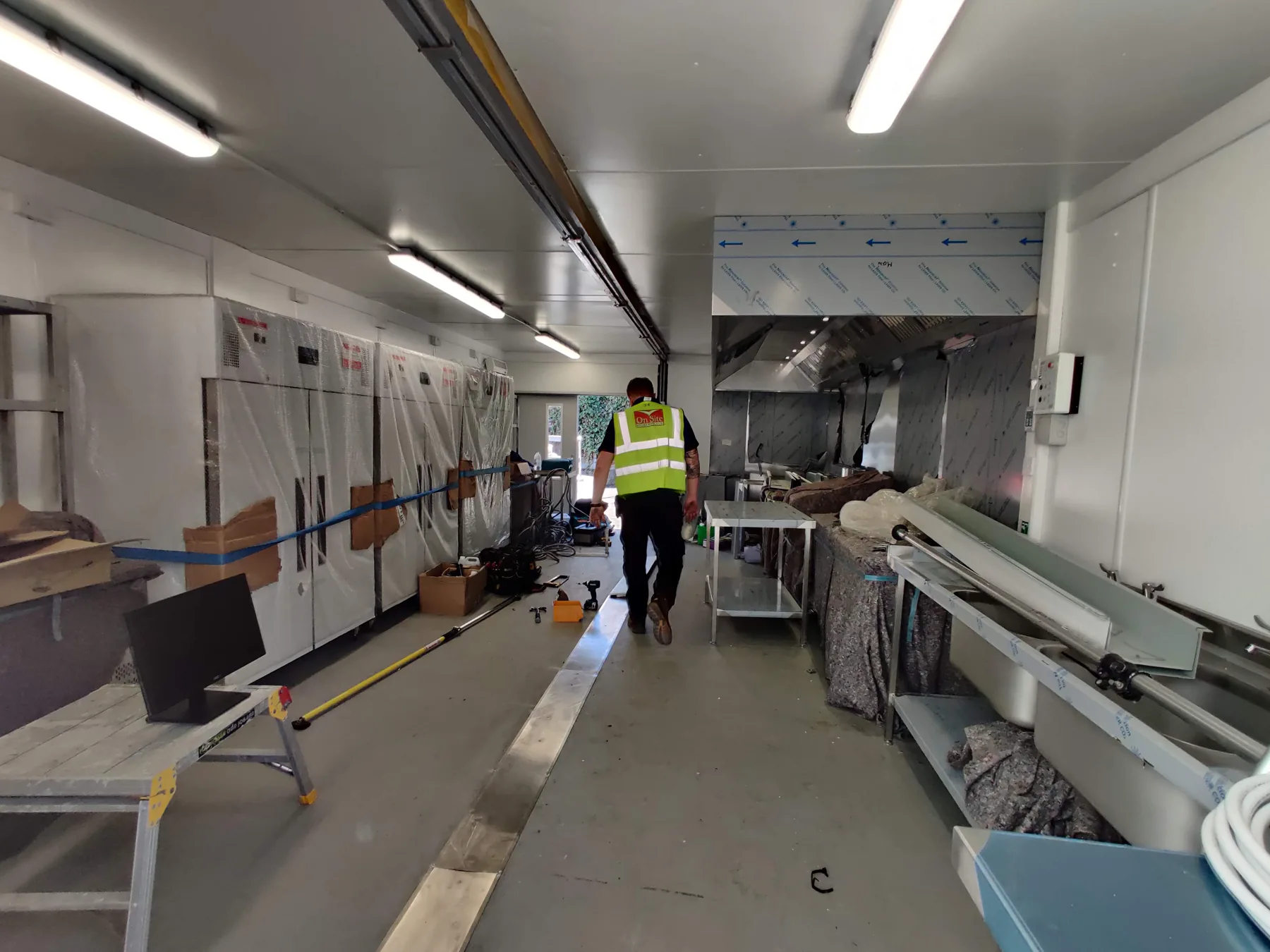
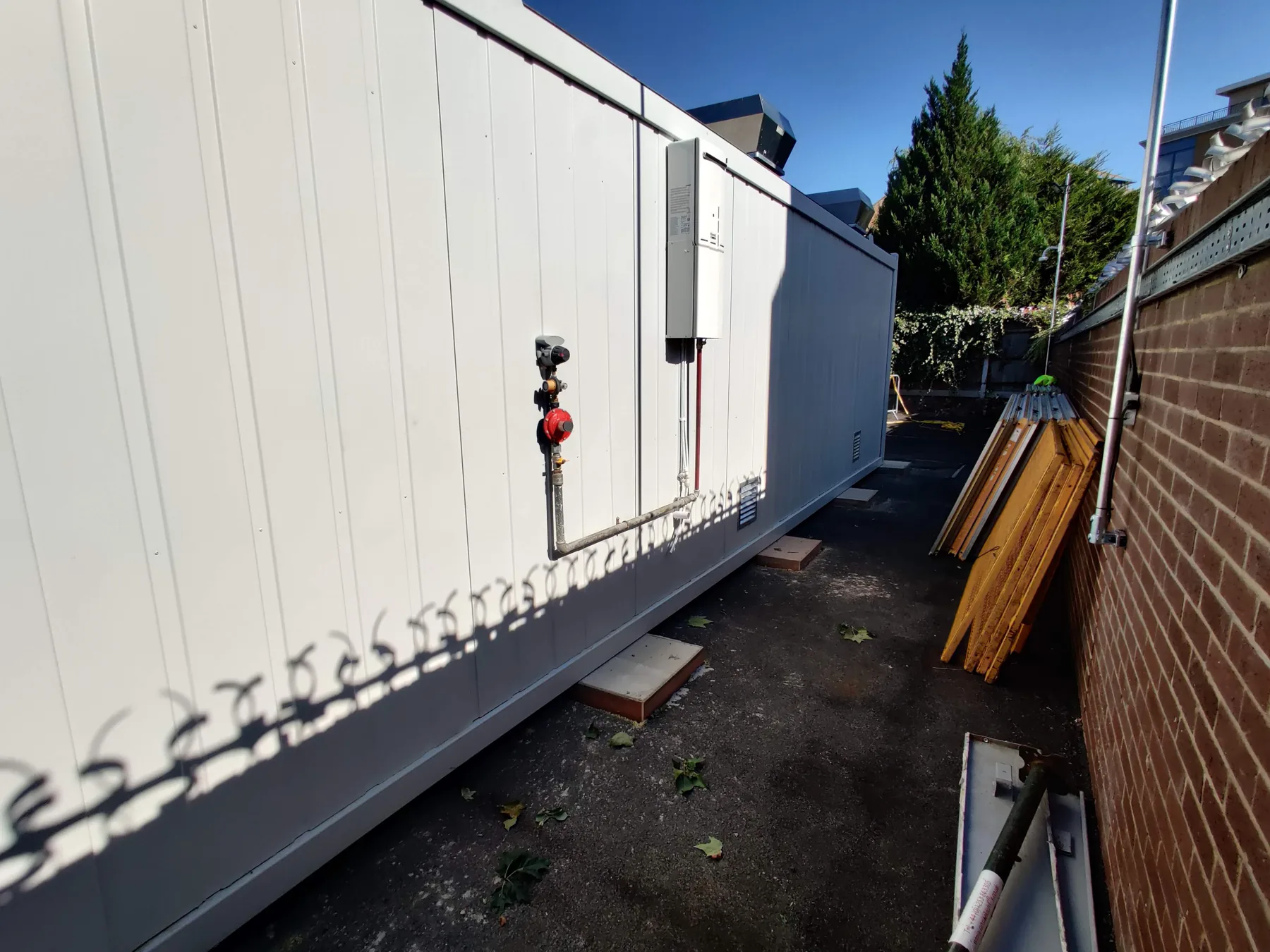
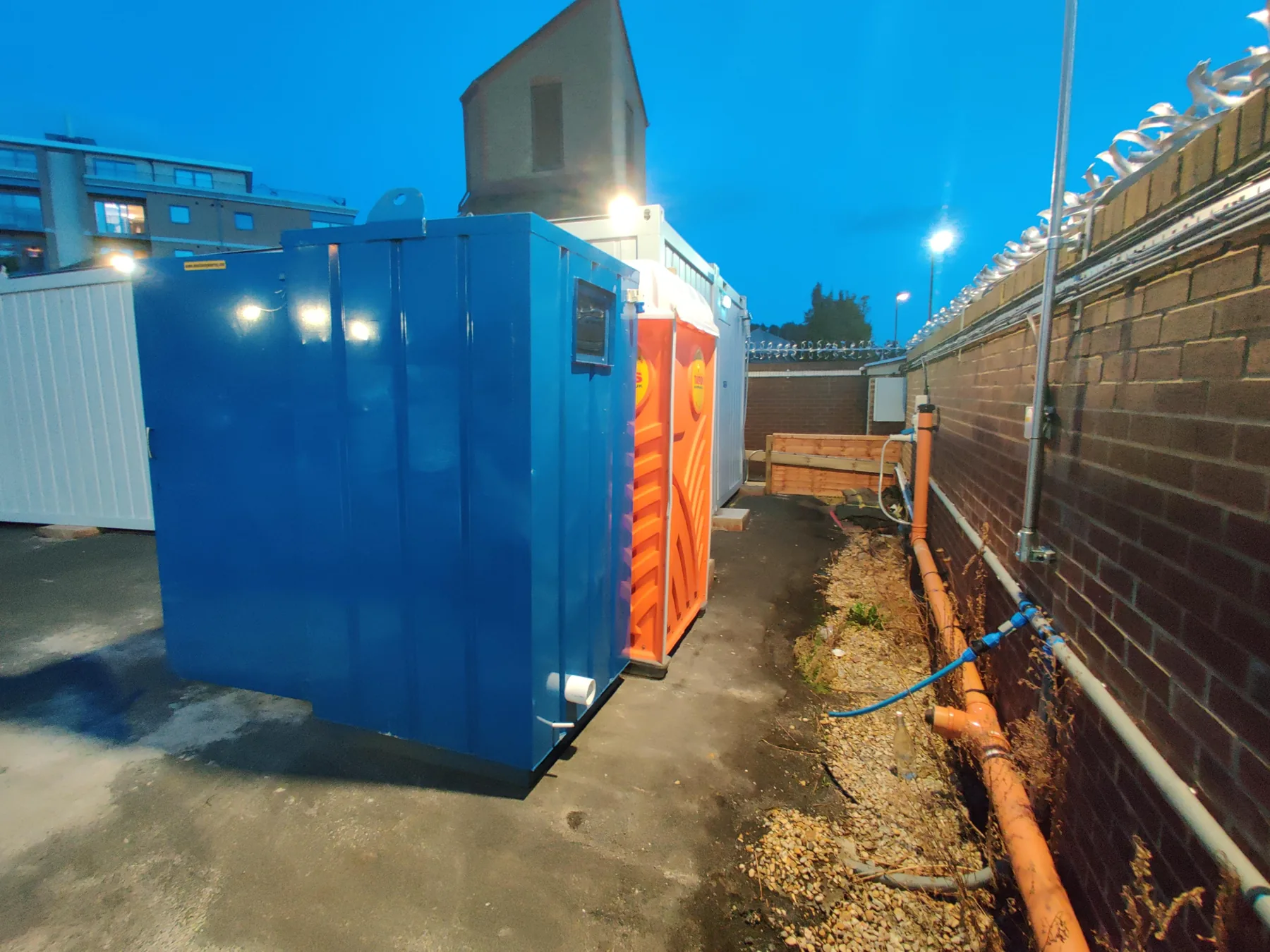
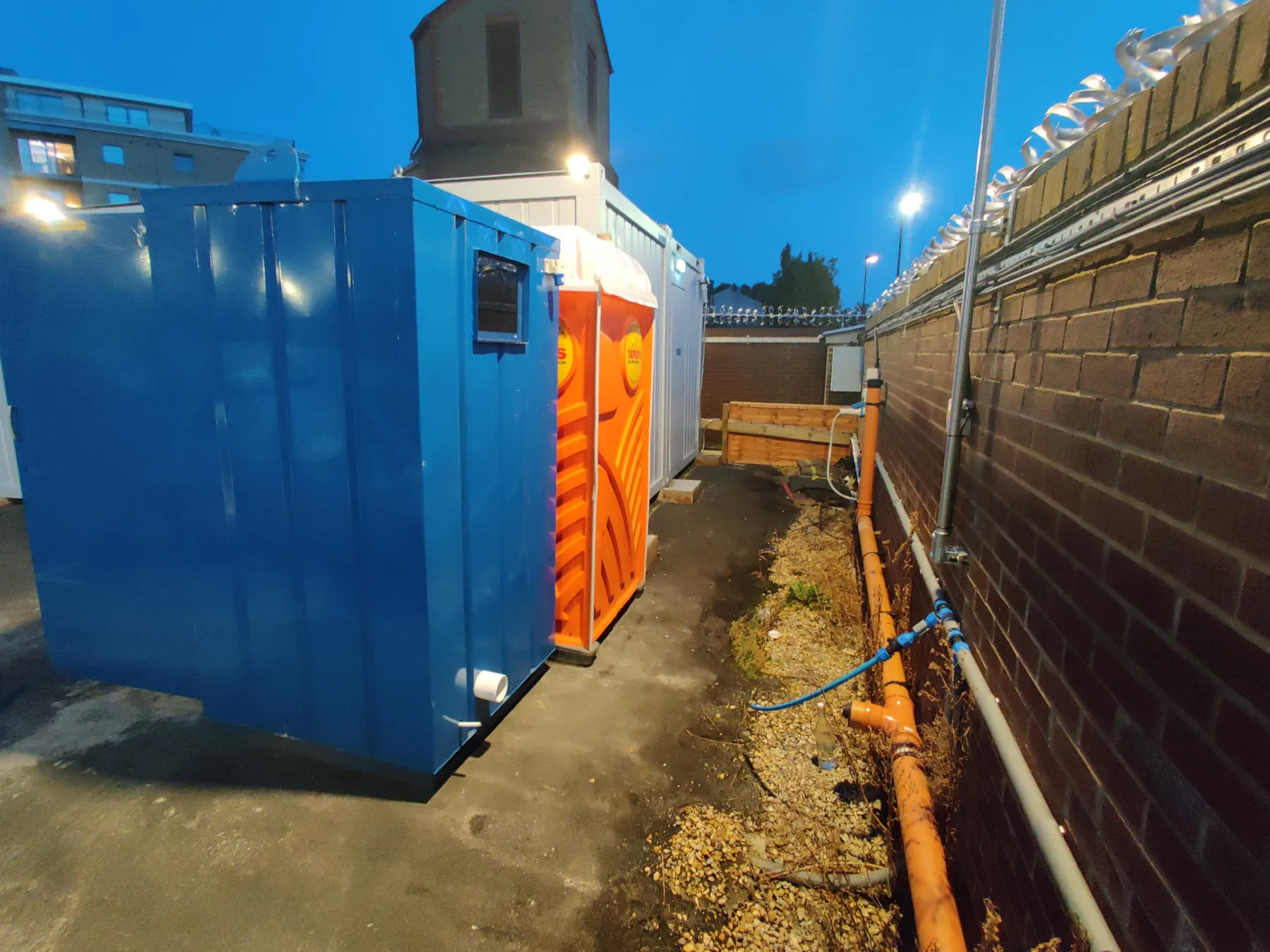
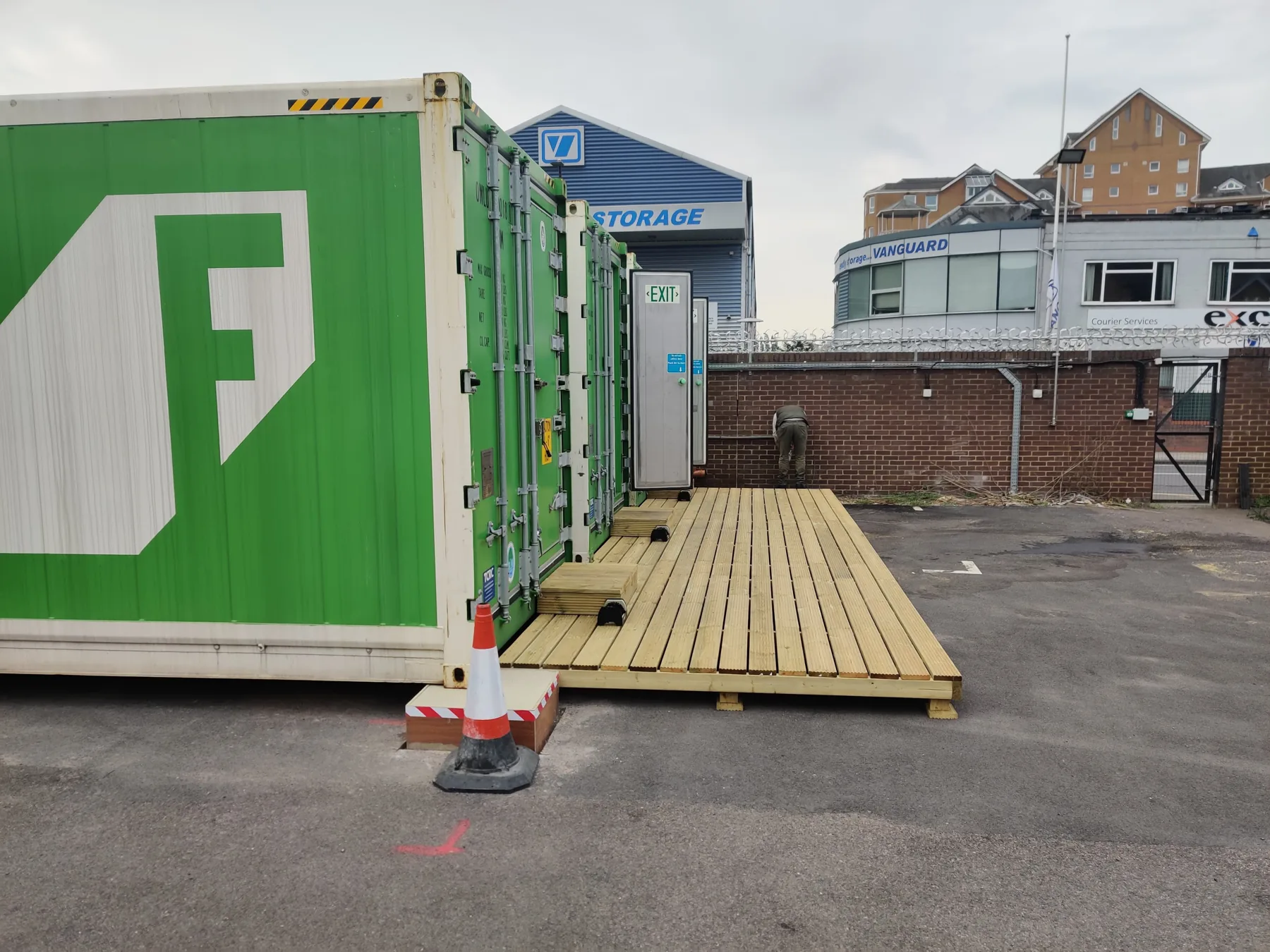
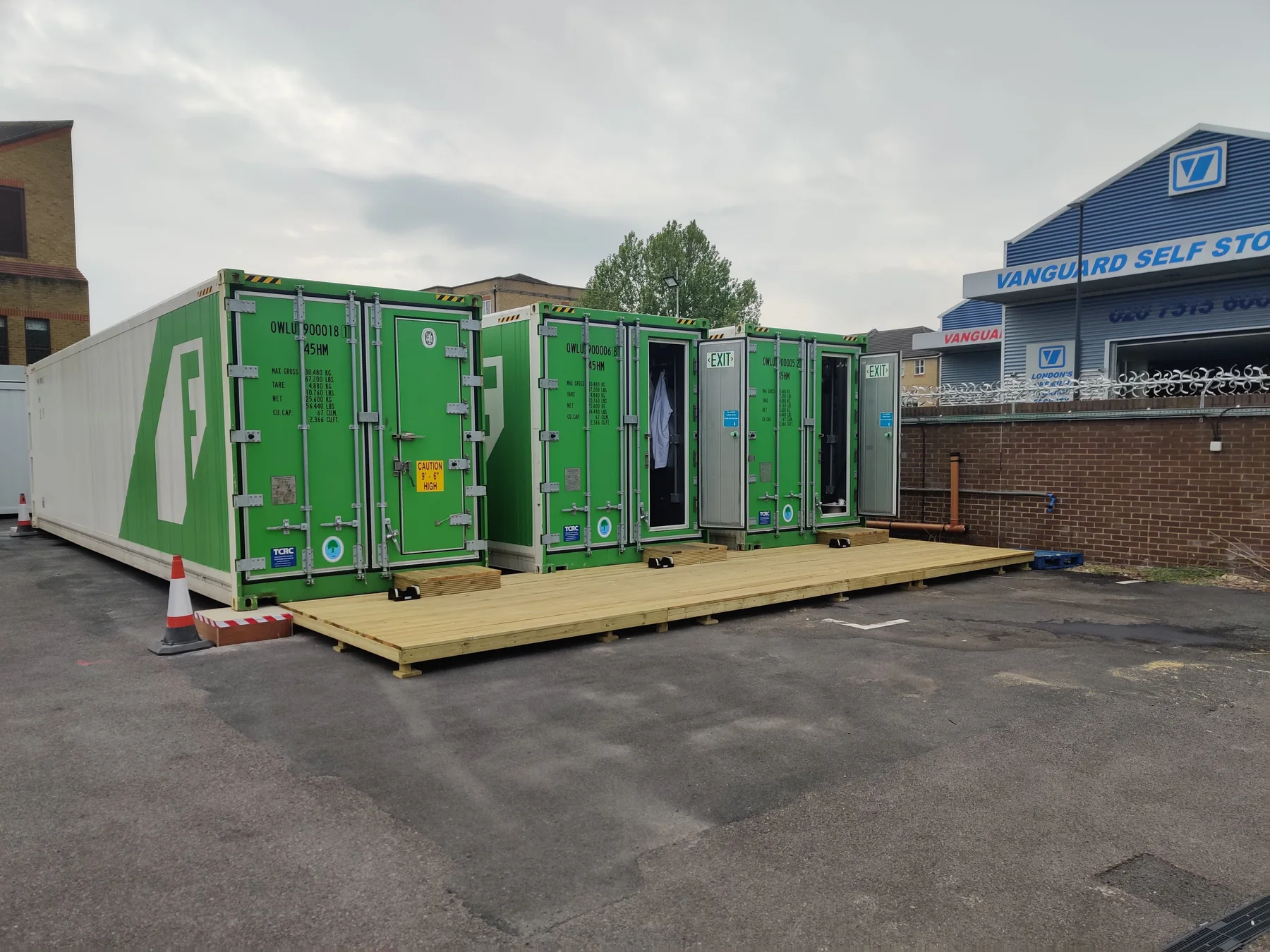
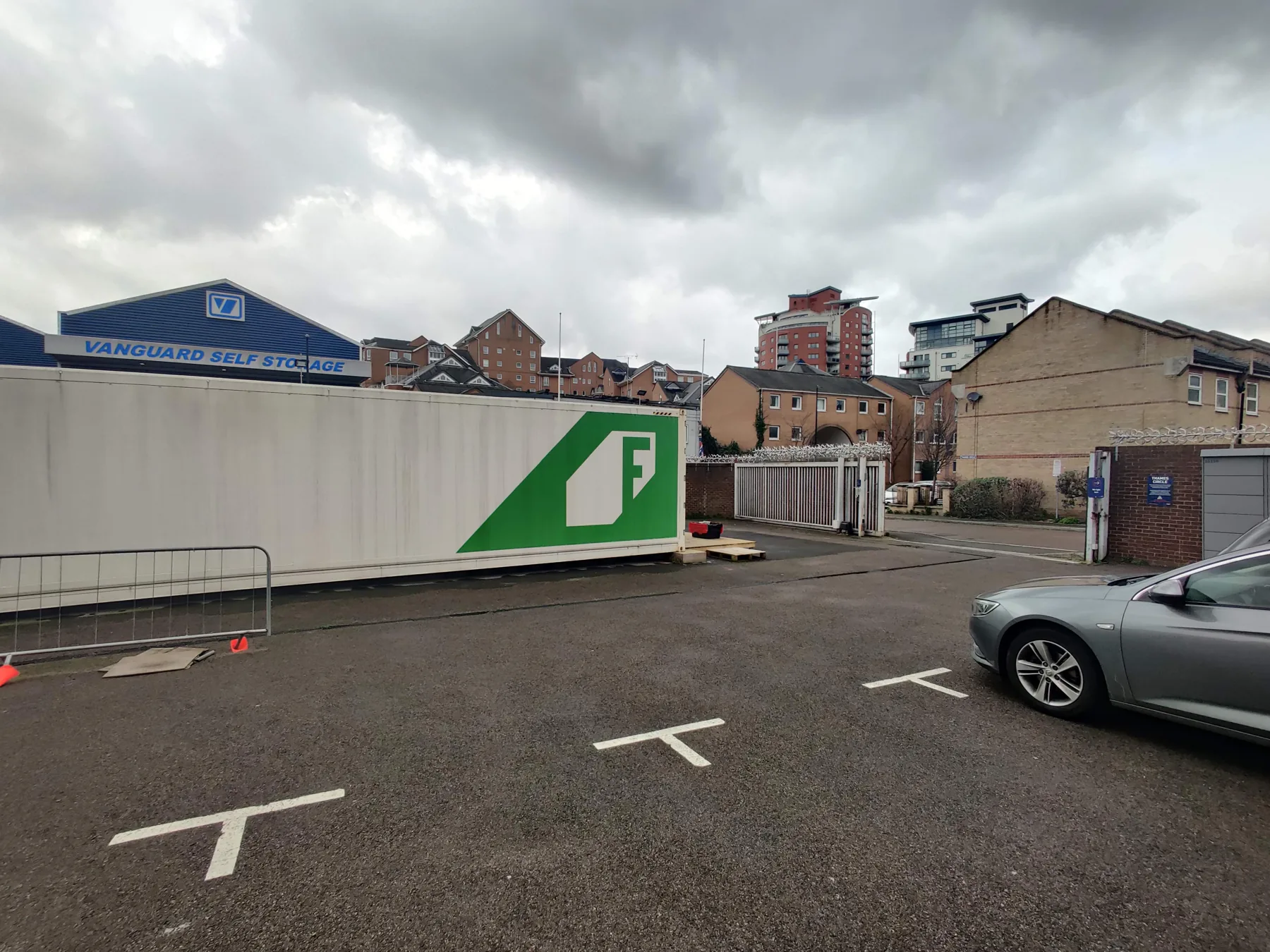
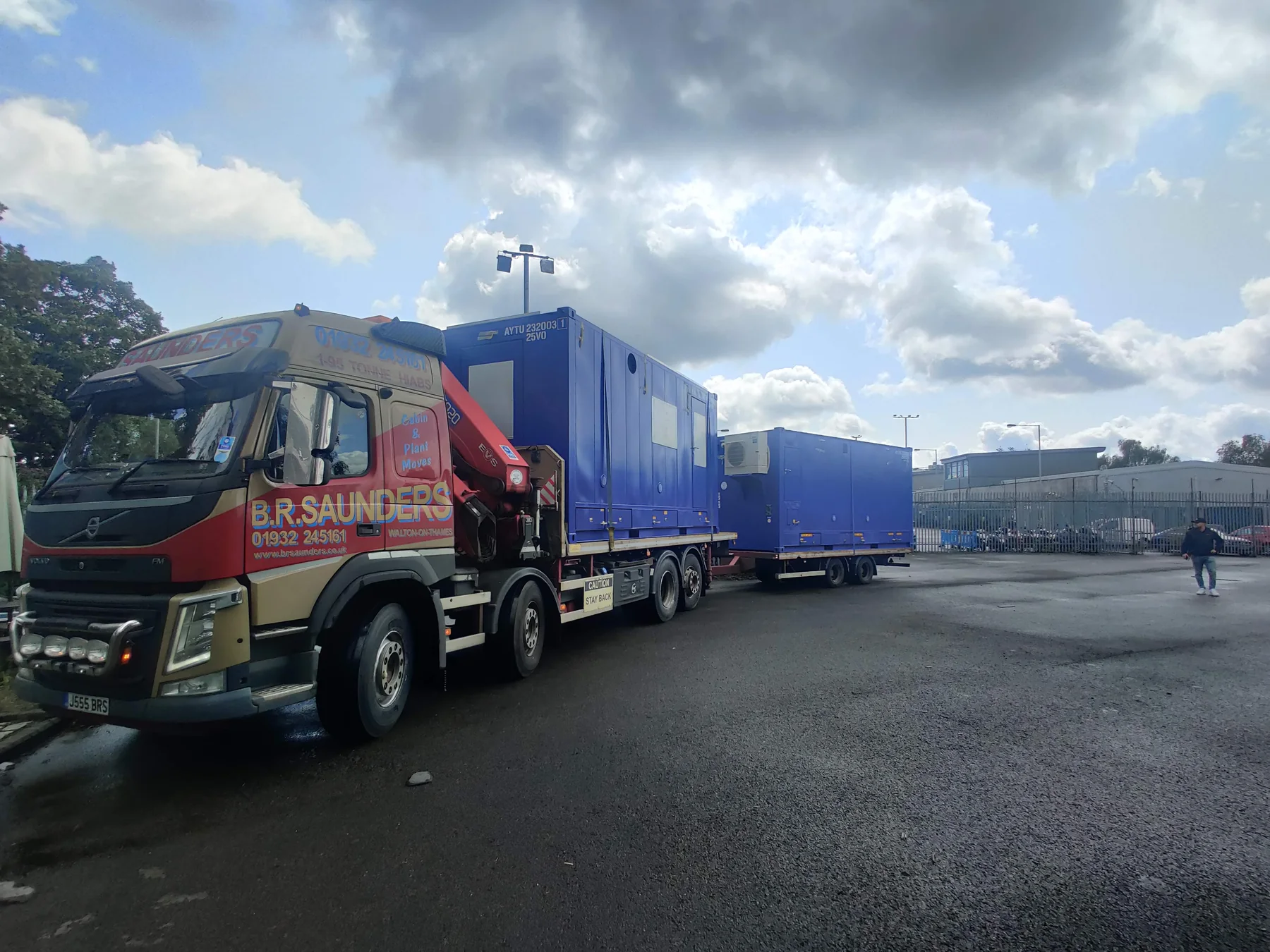
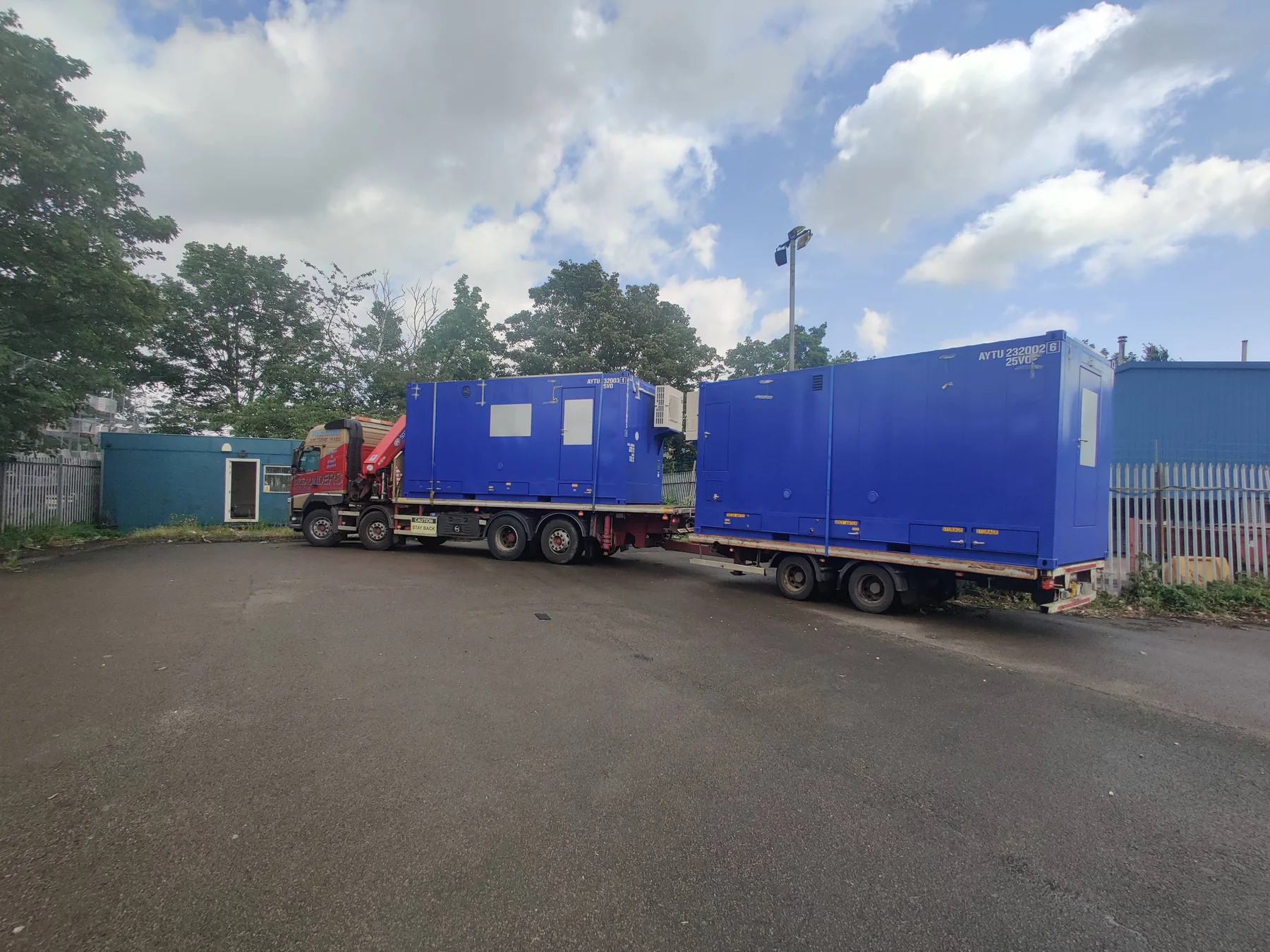
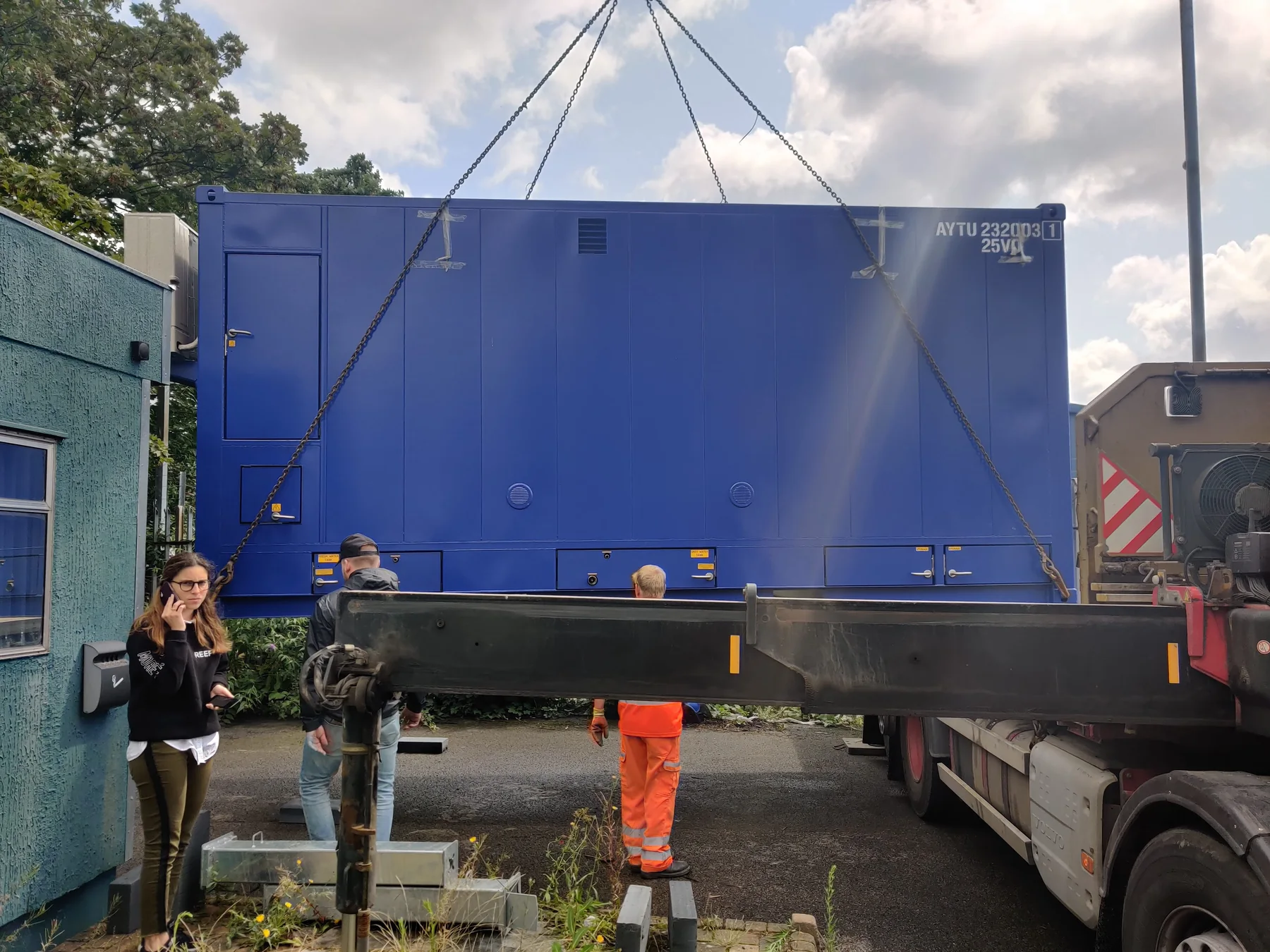
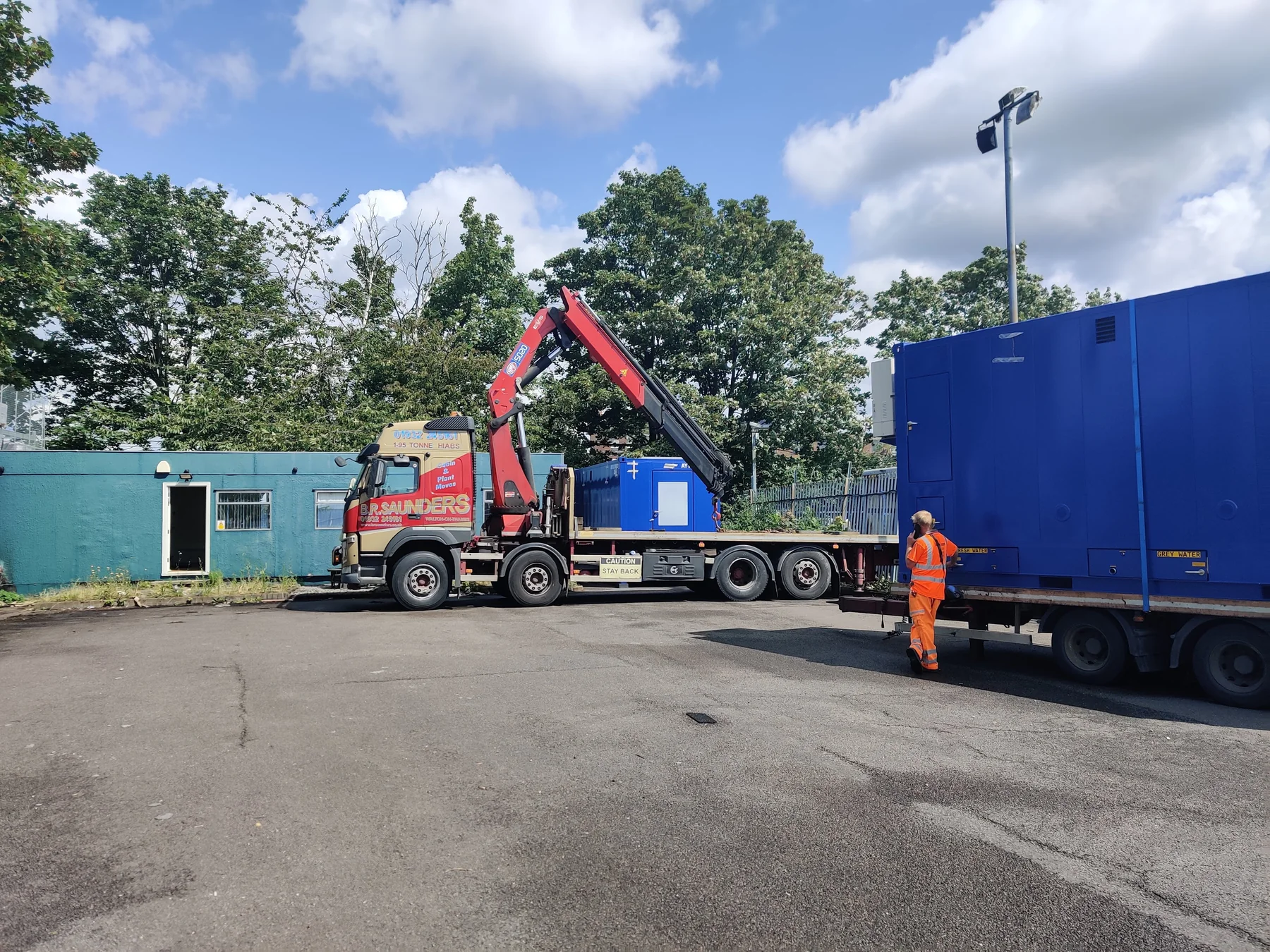
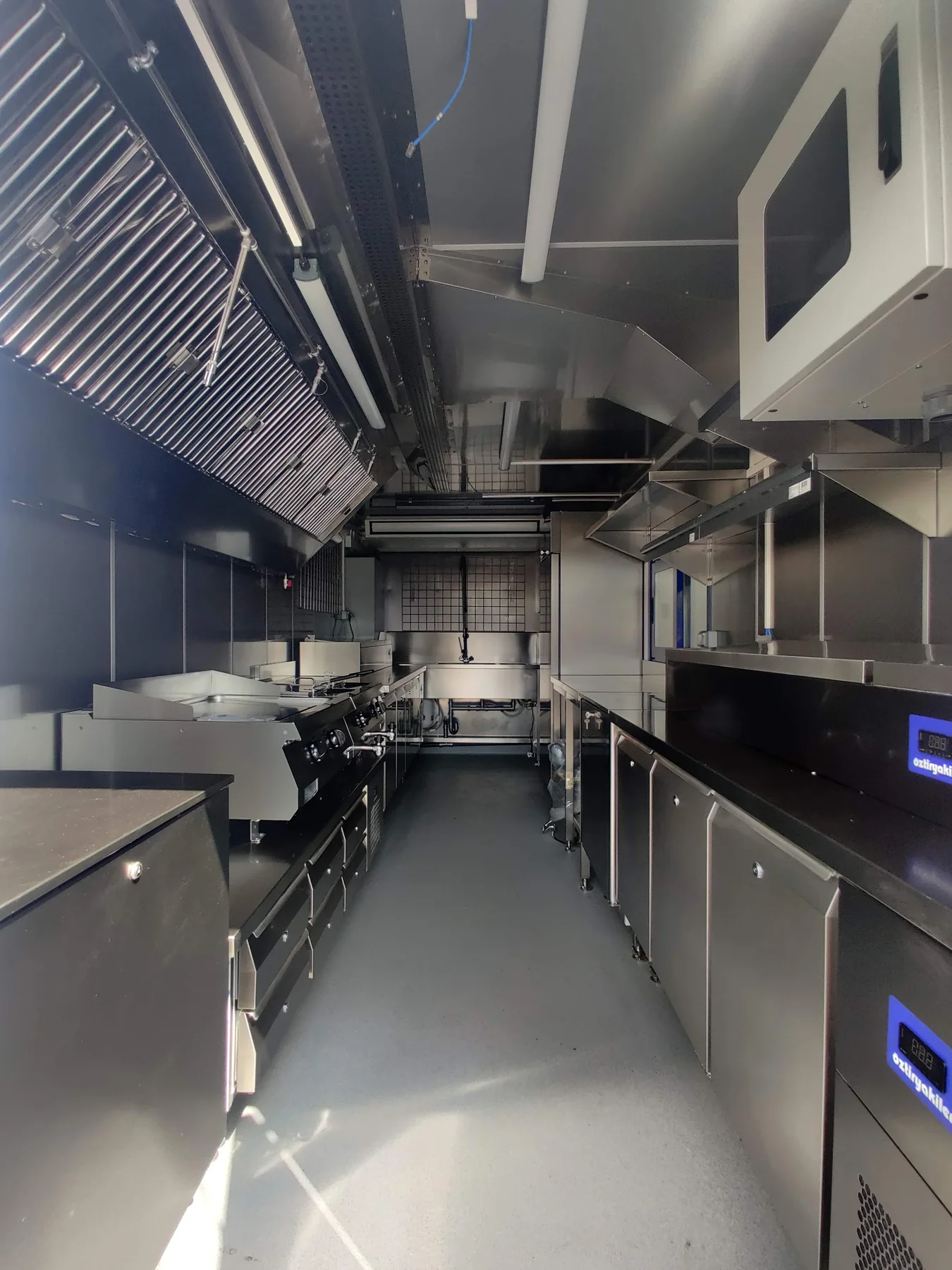
The site construction sequence: access and perimeter work, kitchen fit out, utilities and drainage, container farm integration, module delivery and crane placement.
Role
Site survey, technical design & delivery coordination
London, United Kingdom
Challenge
A delivery kitchen may arrive as a module, but the site around it still has to work. Space, vehicle access, electrical capacity, water, foul drainage, perimeter security, communications and operating flows all had to be proven before installation.
Outcome
The Thames Circle location developed from a prepared compound into a multipurpose REEF hub with modular kitchens, secure access, connected utilities and a container farm element within the wider site network.
What a REEF hub was
REEF’s model was built around using distributed urban property as a proximity network: local sites that could host services closer to the people using them. REEF described this as transforming underused spaces into neighborhood hubs. Kitchens dedicated to delivery were one use within that network, alongside mobility, logistics and other local services. REEF’s current network overview still explains the proximity premise, while contemporary public filings describe neighborhood kitchens as a component of those hubs rather than a conventional restaurant rollout.
At Thames Circle, that idea took physical form as a multipurpose site. Modular kitchens occupied the secured compound, and the later container farm installation formed another part of the same hub initiative. The project was therefore more than putting a kitchen in a car park. It converted a constrained existing site into a serviced operating environment.
My role: proving the site before the module arrived
I went out to survey proposed locations and turn a promising pin on a map into a practical delivery plan. The questions were concrete:
- Is there enough electrical capacity for the kitchen equipment and supporting systems?
- Where can clean water be connected, and where can foul water drain legally and reliably?
- Can the modules, lifting equipment, suppliers and service vehicles physically reach and work within the site?
- How should pedestrian, staff and delivery driver movements be separated from vehicle movements?
- What perimeter, gate, intercom, access control, CCTV and communications provisions are needed for a secure working site?
The survey output had to expose gaps early enough to design solutions, obtain specialist input and sequence enabling works before the kitchen delivery.
From survey to construction
Delivery joined together groundworks, module positioning, electrical supply, water and drainage, communications, perimeter changes and operational access. I coordinated across site owners, kitchen teams, contractors, security suppliers and operational stakeholders, keeping the interfaces visible rather than treating each package as an isolated installation.
The photo sequence shows that progression: the existing compound, access and perimeter work, kitchen modules positioned and fitted out, utilities and drainage installed, the multipurpose hub with its container farm element, and the later delivery sequence from modules arriving on vehicles through crane placement to the completed commercial kitchen interior.
What this demonstrates
This work sits at the point where project management becomes systems integration. A modular kitchen only becomes an operating location when the site, utilities, security, access, suppliers and operating model all work together. My contribution was to understand those dependencies early, design practical provisions around real constraints, and keep the build moving toward a safe, usable site.
Public context: REEF Proximity Network · REEF Hubs · contemporary description of neighborhood kitchens within REEF hubs